
Bringing AI Experimentation from lab to field for agrifood SMEs
18 Septiembre 2026
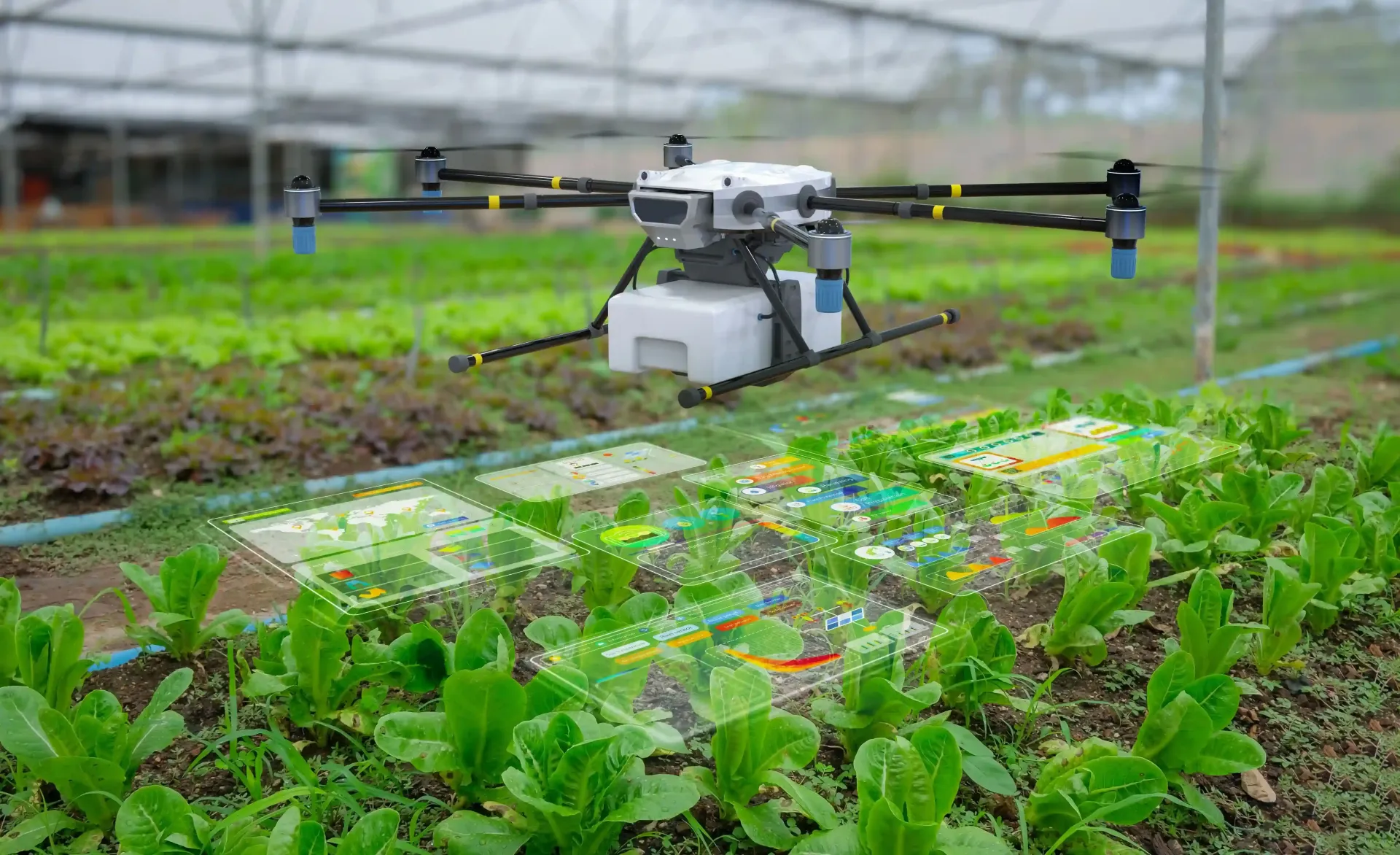
Artificial intelligence can be developed in controlled environments. Agriculture and food production rarely are.
Changing weather conditions, biological processes, operational constraints and human decision-making can all influence how an AI solution performs in practice.
AI Experimentation brings artificial intelligence closer to the environments where it is expected to operate. By testing AI solutions in realistic conditions, AI Experimentation helps organisations understand how technologies perform beyond controlled development settings, identify opportunities for improvement and gather evidence for further development and adoption.
What is AI Experimentation?
AI Experimentation is the process of testing and assessing artificial intelligence solutions in environments that reflect their intended use.
Rather than asking only whether a technology works, AI Experimentation explores how it performs, under which conditions and how it responds when the surrounding environment changes.
For the agrifood sector, this can mean experimenting with AI solutions in farms, greenhouses, livestock facilities, food processing plants and other environments where real-world variables can significantly affect performance.
Why AI Experimentation matters for agrifood
Agriculture and food production are shaped by constant variability.
Weather, soil conditions, biological processes, machinery, infrastructure and human behaviour can all influence the performance of an AI system. A solution that works under controlled conditions may therefore behave differently when exposed to real operational environments.
AI Experimentation provides an opportunity to explore these differences, helping stakeholders identify potential limitations, refine technologies and make more informed decisions about their adoption.
AI Experimentation across the agrifood value chain
AI Experimentation can support technologies across different areas of the agrifood sector.
In crop production, this may include solutions for crop monitoring, precision agriculture, resource management and autonomous operations. In livestock farming, horticulture and tree crops, experimentation can help assess how AI technologies perform under changing biological and environmental conditions.
Further along the value chain, food processing provides an important setting for AI Experimentation in areas such as automation, quality assessment, process optimisation and resource efficiency.
How agrifoodTEF supports AI Experimentation
Access to the right environment is essential for meaningful AI Experimentation.
agrifoodTEF provides access to specialised infrastructures and facilities where AI solutions can be tested in conditions close to real use.
The Catalogue of Infrastructures and Facilities includes experimental farms and test fields, greenhouses, livestock and aquaculture facilities, food processing plants, laboratories and test benches for machinery and robotics.
The Catalogue of Services complements these environments with support including experimentation and test planning, technical assessment and guidance on regulatory compliance.
Together, these resources provide organisations with the environments and expertise needed to explore how AI technologies perform in real-world agrifood settings.
Overall, AI Experimentation helps connect technological development with practical application.
By observing AI solutions in representative environments, organisations can generate evidence, identify areas for improvement and better understand the conditions required for successful implementation.
As artificial intelligence continues to transform agriculture and food systems, AI Experimentation can help turn technological possibilities into solutions that are better understood, better tested and closer to real-world adoption.
Ready to experiment with AI in the agrifood sector? Explore agrifoodTEF's services!