
World Rural Development Day: building the infrastructure that rural innovation needs
6 July 2026
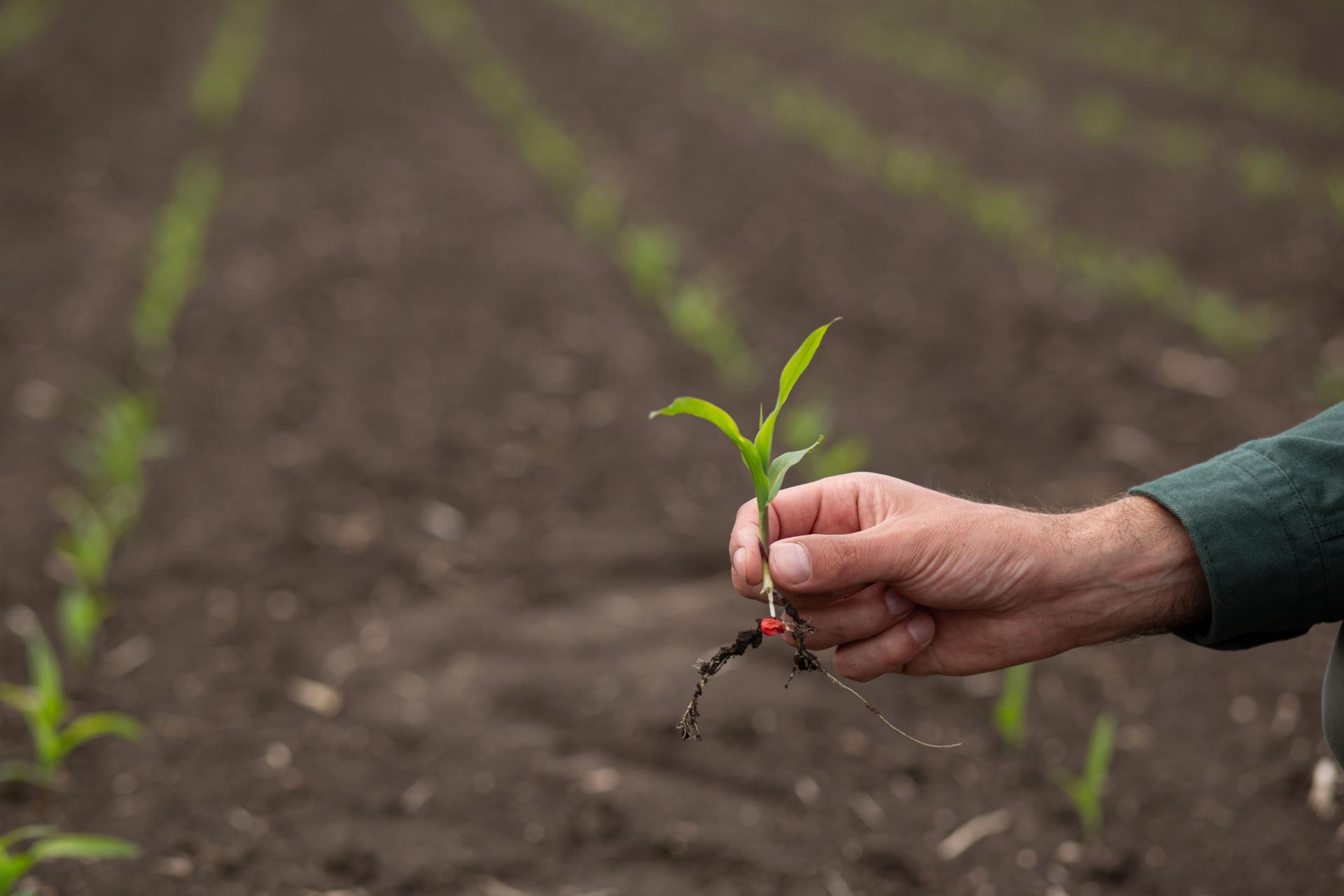
Every year, World Rural Development Day, celebrated on 6 July, invites reflection on the conditions that enable rural communities to prosper in an increasingly complex world. While rural areas encompass a wide variety of economic and social activities, agriculture remains one of their defining productive functions and a cornerstone of their long-term development. It is therefore no coincidence that many of the opportunities and challenges shaping rural development today are closely linked to the capacity of the agrifood sector to innovate.
Traditionally, rural development has been associated with tangible infrastructure, from transport networks and irrigation systems to public services and connectivity. While these elements remain essential, the digital transition is broadening this concept. Alongside physical infrastructure, new enabling infrastructures are emerging: those that allow innovation to be tested, validated and adopted under real-world conditions.
This is precisely the perspective in which agrifoodTEF operates. Its work addresses one of the less visible, yet increasingly strategic, dimensions of rural development: reducing the gap between technological potential and practical adoption. By supporting the testing, validation and refinement of AI and robotics solutions under real-world conditions, the project helps create the confidence needed for digital innovation to move beyond promising demonstrations and into everyday agricultural practice.
This role reflects a broader transformation taking place across agriculture. While AI technologies are advancing rapidly, their adoption in real production environments remains gradual. The reason lies not only in the maturity of the technologies themselves, but also in the complexity of agricultural systems, where environmental variability, seasonal dynamics and operational constraints make real-world validation indispensable. A solution that performs well under controlled conditions does not automatically generate value in vineyards, orchards, greenhouses or open fields, where changing weather, biological processes and diverse production practices continuously shape operational realities.
The distinction between developing a technology and making it deployable is becoming increasingly important. Innovation is often measured by the number of new digital solutions entering the market, yet their long-term impact depends on something different: their ability to operate consistently under real production conditions and to integrate with existing farming practices. In agriculture, successful deployment requires continuous adaptation rather than simple technology transfer. Validation therefore becomes an integral part of the innovation process itself, transforming promising prototypes into solutions that farmers and agribusinesses can realistically adopt.
Supporting this transition requires environments in which technologies can be evaluated beyond controlled settings. Reducing uncertainty and generating reliable evidence on technological performance helps developers, farmers and investors make more informed decisions. The value of this process lies not only in assessing whether a system works, but also in understanding under which conditions it works, how it interacts with existing production systems and where further refinement may still be needed before large-scale deployment. This approach ultimately strengthens confidence across the agrifood innovation ecosystem, supporting both technology providers and end users.
Viewed from this perspective, the value of testing and experimentation extends well beyond technology assessment. It becomes part of the infrastructure that enables rural innovation itself, creating the conditions under which digital solutions can move beyond promising demonstrations and become practical tools for everyday agriculture. As rural development continues to evolve, building resilient rural economies will increasingly depend not only on developing smarter technologies, but also on ensuring that those technologies can demonstrate their value where it matters most: in the field.